
Introduction to Ghormeh Sabzi
Why Ghormeh Sabzi Should Be on Your Dinner Table
If you're looking to elevate your culinary repertoire, ghormeh sabzi should undoubtedly grace your dinner table. This beloved Persian dish, often hailed as the king of stews, embodies a rich tapestry of flavors that transports you directly to the heart of Iranian cuisine. With its robust combination of herbs, tender beef, and the unique tang of dried limes, ghormeh sabzi delights the palate in every spoonful.
Not only is this stew a feast for the senses, but it also represents a deep cultural tradition. It's often enjoyed during family gatherings and celebrations, making it a perfect choice for your next dinner party or cozy family meal. The process of making ghormeh sabzi is a labor of love; aromatic herbs are caramelized to perfection, and the slow-cooked beef absorbs all those wonderful flavors, resulting in an irresistibly hearty dish.
Want to impress your friends with your cooking skills? Pair this stew with fluffy Persian rice and a refreshing Shirazi salad for a complete experience that’s sure to satisfy! As the Persians say, “Nousheh Jaan”—may it be nourishing for your soul. For more tips and ingredients, check out The Mediterranean Dish for high-quality products to enhance your cooking.
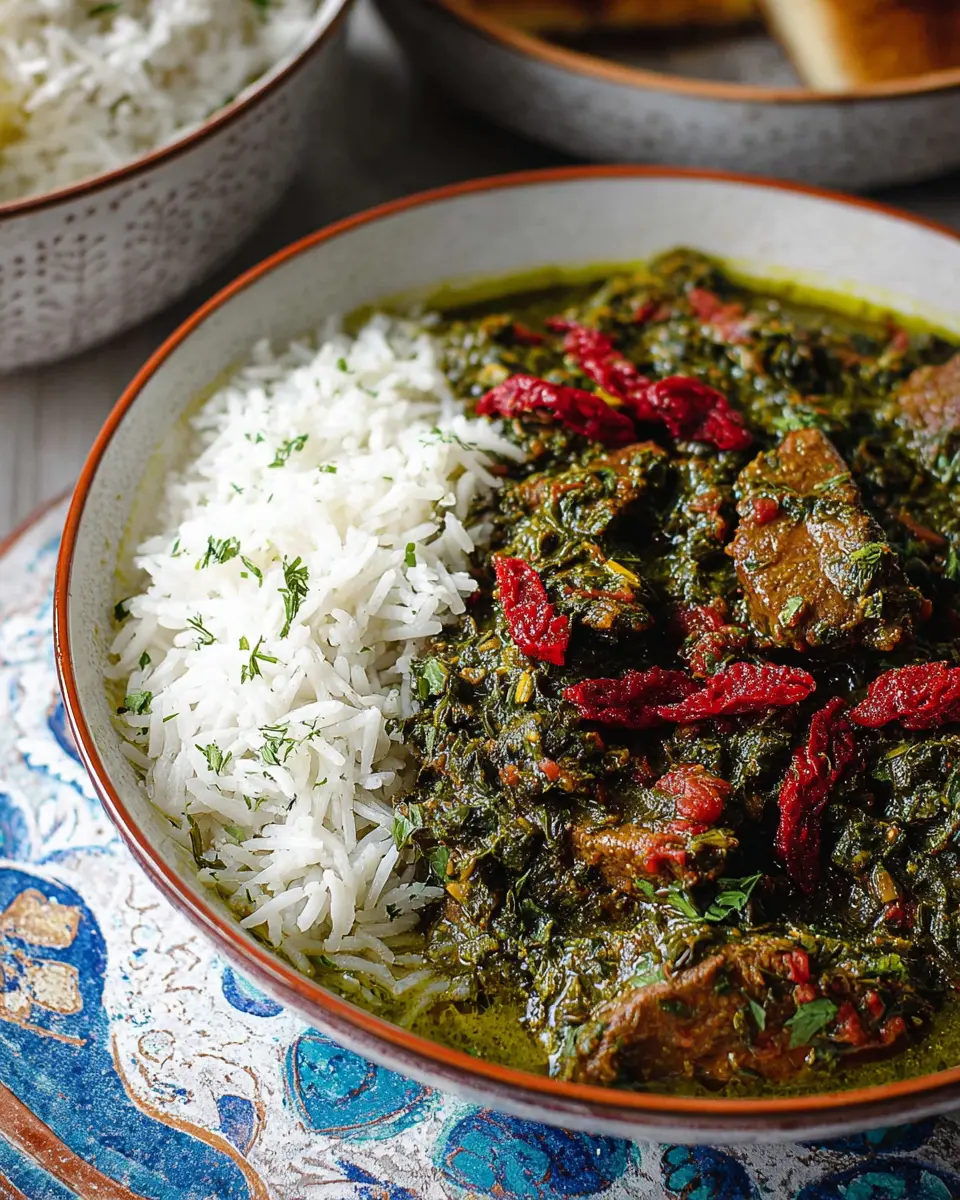
Ingredients for Ghormeh Sabzi
Essential ingredients for a perfect stew
To create a mouthwatering ghormeh sabzi that captures the heart of Persian cuisine, gather the following key ingredients:
- Stewing beef: About 1.5 pounds, cut into 2-inch pieces for tender bites.
- Fresh herbs: This dish truly shines with a mix of 1 pound of parsley and ½ pound of cilantro, finely chopped.
- Turmeric: A vital spice for that warm color and flavor, add 1 teaspoon to your stew.
- Dried limes: Four of these unique flavor bombs will infuse your stew with a distinctly tangy taste.
- Kidney beans: Two 15-ounce cans, drained and rinsed, for added protein and texture.
These ingredients provide the foundation for a rich and aromatic stew that is sure to impress!
Optional ingredients for personalization
Feeling creative? You can customize your ghormeh sabzi with these optional ingredients:
- Garlic: Freshly pressed or minced for a richer flavor.
- Fenugreek leaves: Two tablespoons bring an additional layer of taste.
- Scallions: Add a fresh crunch with the green parts of five scallions.
- Lime juice: A burst of brightness can be achieved with the juice of two fresh limes.
Feel free to incorporate your favorites or make substitutions based on availability. This is where your personal touch can shine!
Step-by-Step Preparation of Ghormeh Sabzi
Step 1: Sauté the onions and garlic
Start by heating 2 tablespoons of extra virgin olive oil in a large pot over medium-high heat. Once the oil shimmers, toss in a finely diced onion. Sauté it, stirring occasionally, until it turns a lovely golden brown, which should take about 8 minutes. If you're a garlic lover, add a pressed or minced garlic clove at this stage and stir for about a minute until you can smell its fragrant aroma. This step lays a flavorful foundation for the ghormeh sabzi.
Step 2: Brown the stewing beef
Next, add 1.5 pounds of stewing beef cut into 2-inch pieces to the pot. Sear the meat for about 10 minutes until it takes on a nice brown color. Incorporate 1 teaspoon of ground turmeric and stir well to coat the meat. Pour in enough water (around 3 cups) to cover the beef, bring it to a boil, and then lower the heat to a simmer. Cover the pot as you prepare your herbs, allowing the beef to tenderize beautifully.
Step 3: Prepare and fry the herbs
In a separate large frying pan, pour in the remaining ¼ cup of extra virgin olive oil and turn the heat to medium-high. Add a finely sliced leek and sauté until it softens, about 5 minutes. Now, it’s time to bring in a generous mix of 1 pound of fresh parsley, ½ pound of cilantro, and 2 tablespoons of crushed dried fenugreek leaves. Don’t forget the 5 finely diced scallions. Sauté everything together for about 5 minutes—look for the herbs to wilt and reduce in volume. This is where your ghormeh sabzi starts to shine with that vibrant green color!
Step 4: Combine ingredients and simmer
Once your herbs are cooked down, reduce the heat to medium-low and continue cooking for another 15 minutes. This helps intensify the flavors. Now, transfer those fragrant herbs to your pot of browned beef, along with 2 cans of drained red kidney beans and 4 dried limes that you've poked with a knife. Add an additional 2 cups of water, then increase the heat until everything comes to a simmer. Let it cook for a minimum of 1 hour and 30 minutes; the longer, the better!
Step 5: Final seasoning and serving preparation
When it’s nearly time to serve, taste your delicious ghormeh sabzi and adjust the seasoning with kosher salt, freshly ground black pepper, and the juice of 2 limes. If your stew needs it, feel free to add a bit more water to achieve your desired consistency—it should be rich but not too thick. Ladle your stew into a serving dish, and get ready to impress! Pair it with Persian rice for a truly authentic experience.
Now that you have the steps laid out, aren't you excited to dig into this timeless Persian dish? Enjoy every moment in your kitchen as you create this fragrant herb stew that’s both comforting and full of flavor!
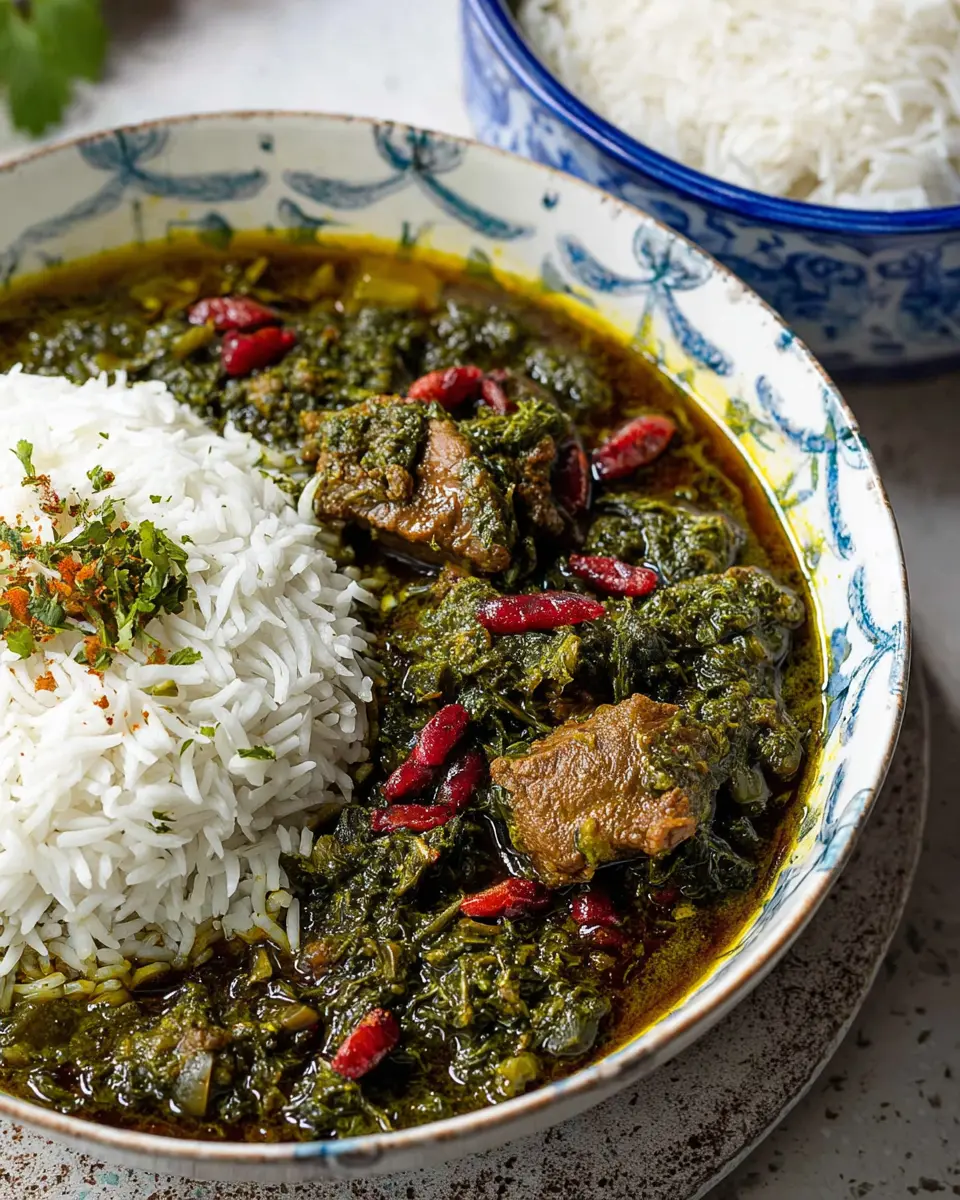
Variations of Ghormeh Sabzi
Vegetarian Versions of Ghormeh Sabzi
If you're looking to enjoy the rich flavors of ghormeh sabzi without meat, there are delightful vegetarian versions to explore. Simply replace the stewing beef with hearty ingredients like chickpeas or tofu. These alternatives absorb the stew's spices and lend a satisfying texture. Some even add eggplant for an extra flavor dimension. Don’t forget to retain the signature taste of dried limes and fresh herbs—these are essential for capturing the essence of this beloved Persian dish.
Alternative Proteins to Consider
For those who prefer to switch up their proteins, why not experiment with lamb or turkey bacon? These meats can provide an interesting twist to the traditional recipe while still harmonizing beautifully with the vibrant herbs and dried limes. You could also consider adding some chicken ham for a mild flavor enhancement. Each protein option brings its own unique flair and works well with the robust flavors of ghormeh sabzi.
By adapting this classic stew, you can cater to various dietary preferences while still enjoying its rich tapestry of tastes!
Cooking Tips and Notes for Ghormeh Sabzi
Choosing the Right Herbs
To achieve the authentic flavor of ghormeh sabzi, selecting the right herbs is key. Fresh parsley and cilantro are essential, and adding fenugreek leaves enhances the dish's aromatic profile significantly. Whenever possible, opt for vibrant, fresh herbs; they’ll give your stew a bright taste that dried alternatives simply can’t match. For a shortcut, feel free to use a food processor to chop the herbs, but be cautious not to over-process them to avoid bitterness.
Storage Tips for Leftovers
Leftover ghormeh sabzi is a delight! Store it in an airtight container in the refrigerator for up to three days or freeze it for longer shelf life. Reheating on the stove helps maintain its rich flavors, just add a splash of water if it seems too thick. Enjoy the comforting essence of this Persian classic again and again! For tips on proper food storage, check out resources like USDA Food Safety.
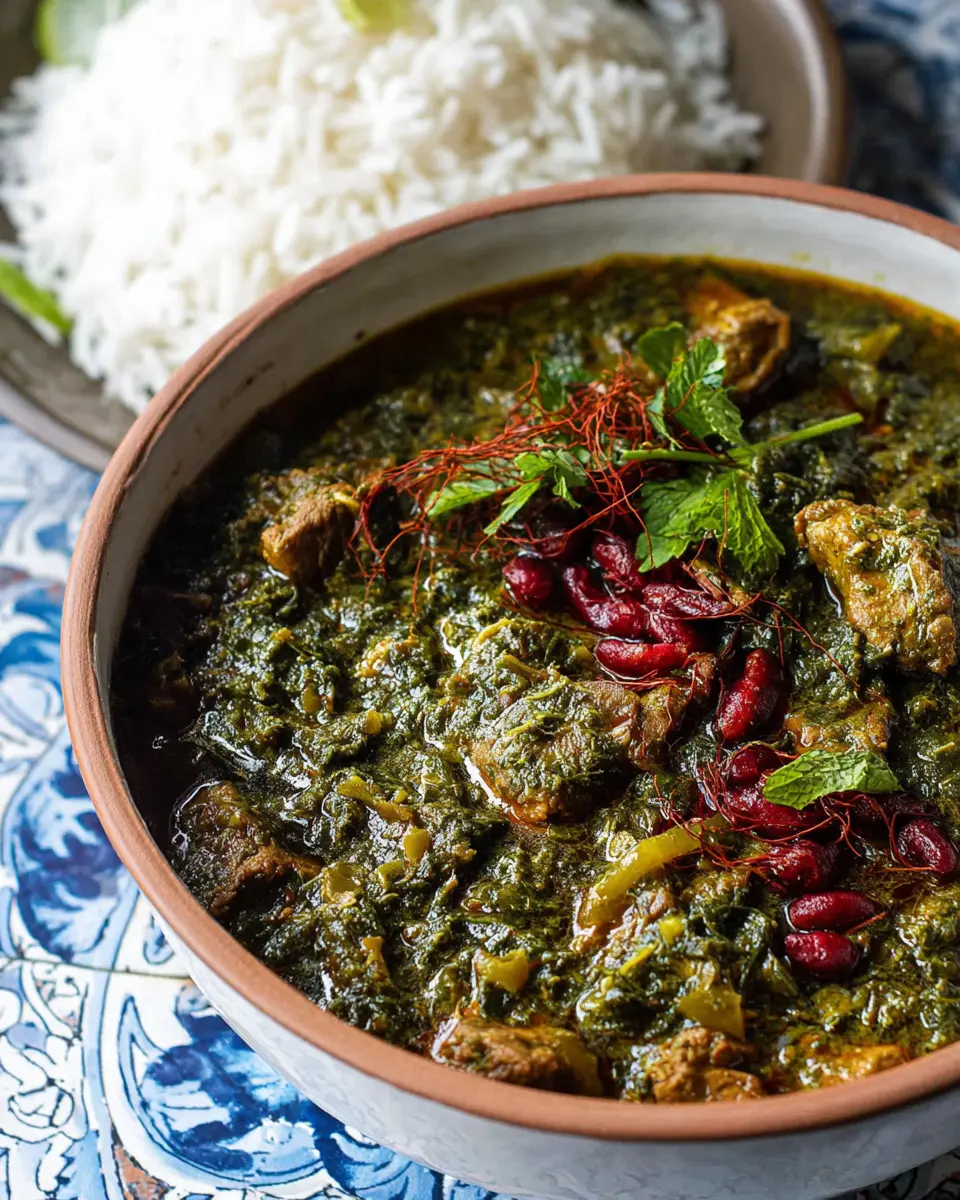
Serving Suggestions for Ghormeh Sabzi
Traditional sides to complement the stew
When serving ghormeh sabzi, you can’t go wrong with the classic accompaniments. Persian Rice, especially with crispy potato tahdig, creates a delightful base that soaks up the rich flavors of the stew. Pair it with a refreshing Salad Shirazi—a simple mix of diced cucumbers, tomatoes, and red onion dressed with lime juice and olive oil. If you're looking for a creamier element, consider serving a side of Greek yogurt for balance.
Creative pairings to enhance flavor
For a twist, you might try adding pickled vegetables, known as torshi, which add an unexpected tang that contrasts beautifully with the stew's savory depth. A handful of fresh herbs like mint or basil sprinkled on top just before serving will also brighten the dish. If you enjoy crunch, serve some toasted pita chips on the side for dipping. These pairings will not only elevate your dining experience but also showcase the versatility of ghormeh sabzi.
For more ideas on Persian cuisine, check out The Persian Fusion for diverse recipes and serving suggestions!
Time Breakdown for Ghormeh Sabzi
Preparation Time
You'll need about 30 minutes to prep all your ingredients, including chopping the fresh herbs and cutting the beef. Taking your time here will ensure that every component shines in your dish.
Cooking Time
Allow 2 hours for the cooking process. This includes simmering the beef and letting those delicious flavors meld beautifully. Patience is key!
Total Time
In total, you’ll invest about 2 hours and 30 minutes in creating this iconic ghormeh sabzi. Trust me, the rich aroma and flavor of this Persian stew will be well worth the effort!
For more cooking tips, don’t forget to check out this guide on Persian cuisine. Happy cooking!
Nutritional Facts of Ghormeh Sabzi
Calories
Each serving of ghormeh sabzi contains approximately 362 calories, making it a satisfying and hearty meal choice that won't derail your healthy eating goals.
Protein
Packed with about 31 grams of protein per serving, this Persian stew offers a wonderful way to nourish your body while enjoying rich flavors.
Fiber
With around 11.7 grams of fiber, ghormeh sabzi supports digestive health and helps keep you feeling full, making it an excellent choice for anyone looking to incorporate more fiber into their diet.
For more insights on the health benefits of herbs used in ghormeh sabzi, check out this informative article.
FAQs about Ghormeh Sabzi
Can I make Ghormeh Sabzi in a slow cooker?
Absolutely! If you prefer the convenience of a slow cooker, you can definitely prepare ghormeh sabzi in one. Simply brown the beef and sauté the onions and herbs in a skillet first, then transfer everything to the slow cooker with the remaining ingredients. Set it on low for 6-8 hours, or high for 4-5 hours. This method allows the flavors to deepen while you go about your day.
How do I adjust the flavor of Ghormeh Sabzi?
Flavor is key in ghormeh sabzi, and it's easy to customize! If you like it spicier, consider adding a pinch of chili powder or fresh herbs like mint. For a deeper flavor, you might experiment with more fenugreek leaves or even a splash of pomegranate molasses. Just remember to taste as you go!
What can I serve with Ghormeh Sabzi?
For a traditional experience, pair your ghormeh sabzi with Persian rice and a refreshing Shirazi salad. A dollop of Greek yogurt on the side adds creaminess that complements the stew wonderfully. Don’t forget some warm flatbread for dipping—you won't be able to resist soaking up every last bit! For more Persian-inspired side dishes, check out our recipe for Persian Rice with Potato Tahdig.
Conclusion on Ghormeh Sabzi
In conclusion, ghormeh sabzi is more than just a stew; it's a heartfelt dish that embodies the essence of Persian cuisine. Its rich flavors and fragrant herbs make it perfect for sharing with family and friends. Enjoy this culinary treasure with Persian rice and a salad for complete satisfaction.
Explore more about Persian dishes in our articles on Persian Rice with Potato Tahdig and Shirazi Salad.
Ghormeh Sabzi (Persian Beef Stew with Herbs and Dried Lime)
Equipment
- Large pot
- large frying pan
Ingredients
Cooking Fat
- 6 tablespoons extra virgin olive oil divided
Vegetables
- 1 onion finely diced
- 1 garlic clove pressed or minced (optional)
- 1 small leek white part finely sliced
- 5 scallions green parts only, finely diced
- 2 limes juiced
Meat
- 1.5 pounds stewing beef cut into 2-inch pieces
Spices and Herbs
- 1 teaspoon ground turmeric
- 1 pound fresh parsley finely chopped
- 0.5 pound cilantro finely chopped
- 2 tablespoons dried fenugreek leaves crushed
- 4 dried limes poked several times with knife
- Kosher salt to taste
- Freshly ground black pepper to taste
Beans
- 2 cans red kidney beans drained and rinsed
Instructions
Cooking Instructions
- In a large pot on medium-high heat, add 2 tablespoons olive oil. When shimmering, add the onion and cook until golden, about 8 minutes. Add garlic, if using, and stir until fragrant.
- Add the beef and stir until browned, about 10 minutes. Add turmeric and stir to coat, then add three cups of water to cover the meat. Bring to a boil, lower heat to simmer and cover while preparing the herbs.
- In a large frying pan over medium-high heat, add the remaining ¼ cup olive oil. When shimmering, add leek and stir until softened, about 5 minutes. Add parsley, cilantro, fenugreek, and scallions and sauté for 5 minutes.
- Once the herbs have wilted and reduced in volume, reduce heat to medium-low. Stir for 15 minutes to dry out the herbs, then remove from heat.
- To the pot with beef, add fried herbs, kidney beans, dried limes, and two cups of water. Increase heat to bring to a simmer, then lower heat to cook for a minimum of 1 hour and 30 minutes.
- Add salt, pepper, and lime juice to taste. Add more water if required; the stew should be thick with herbs but with some broth.
- Ladle the stew into a serving dish and serve.


Leave a Reply